

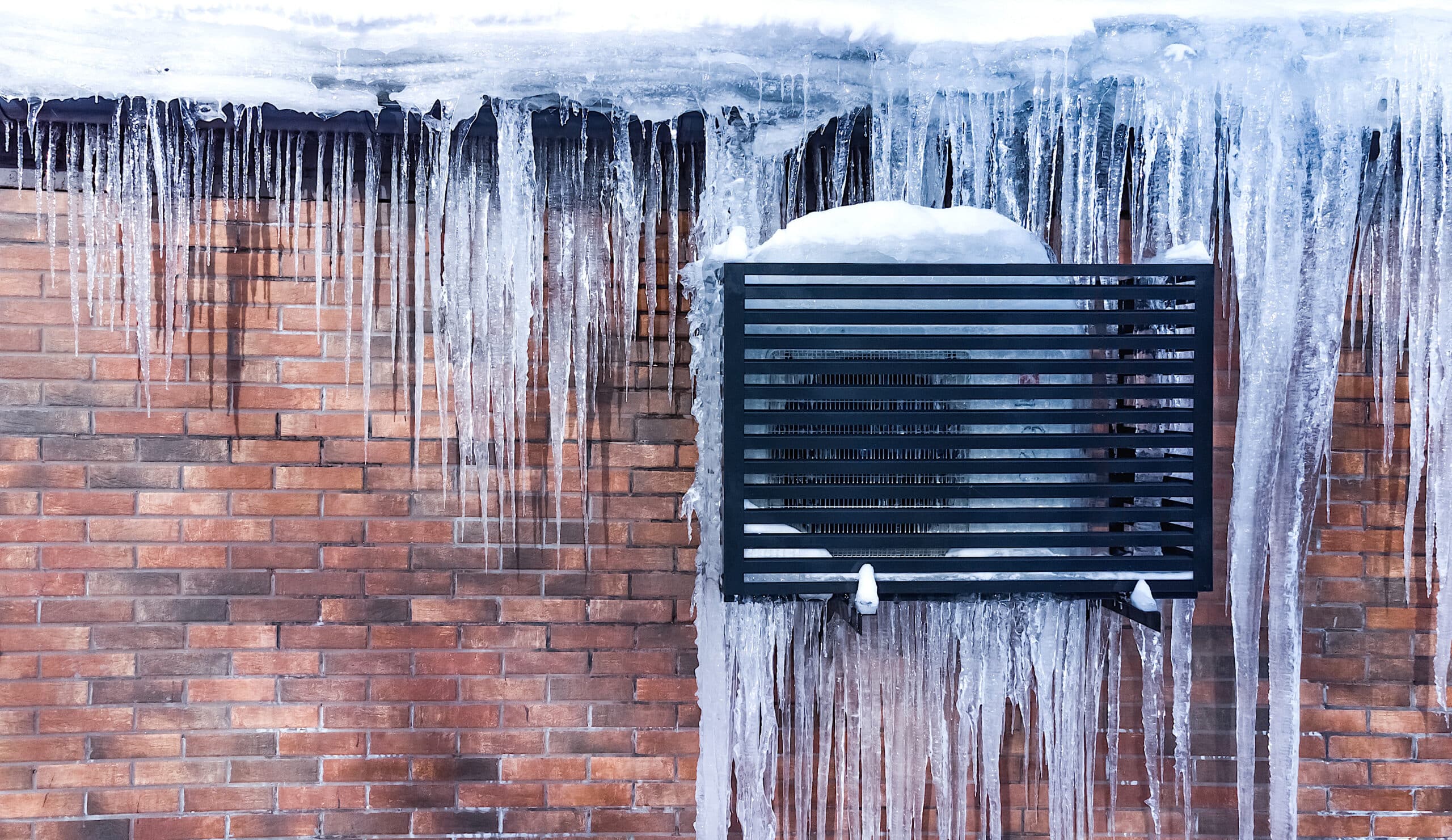
Heat pumps do not stop working in cold weather. Modern, well-maintained heat pumps in cold weather keep heating reliably in temperatures well below freezing, and a quality unit can perform even below -13 degrees Fahrenheit. The old belief that they quit in the cold is based on outdated technology, not the systems installed today.
A quality installation with professional heat pump installation could be all you need to stay comfortable through every New Braunfels season. Here is what you can actually expect from a heat pump.
Key Points
- Heat pumps in cold weather do not break down; that myth comes from older models.
- A modern, well-maintained unit can heat a well-insulated home below -13 degrees Fahrenheit.
- Heat pumps move heat instead of generating it, making them highly energy efficient.
- Air-source and ground-source are the two common types to choose from.
- Regular maintenance keeps efficiency high and prevents winter breakdowns.
Can You Rely on a Heat Pump in the Cold?
Yes, you can rely on a modern heat pump even in a cold snap. A lot has been said about heat pumps and cold weather, which raises fair questions about how well they hold up. If you have wondered what outside temperature is too cold for a heat pump, the answer is more reassuring than you might expect. Heat pumps keep getting better, and today’s units are built to keep you comfortable across the seasons.
Do Heat Pumps Really Freeze Up in Winter?
No, a modern heat pump will not freeze up and quit in winter. You may have heard that heat pumps simply break down in extreme cold, but that is outdated. Many negative claims about heat pump winter efficiency were true years ago and are not anymore. Today’s units benefit from major technology gains and hold up far better in extreme temperatures. A well-maintained heat pump in a properly insulated home can withstand temperatures below -13 degrees Fahrenheit. As long as your unit is a modern design and your home is not full of drafts, you can enjoy comfortable heating even in extreme cold.
How Do Electric Heat Pumps Work?
A heat pump works by moving heat rather than generating it, which is what makes it so efficient. Despite the name, a heat pump provides both heating and cooling by using refrigerant to transfer heat. In heating mode, it pulls heat from the outside air and releases it indoors to raise your temperature. In cooling mode, it absorbs indoor heat and moves it outside so your home holds only the comfort level you want. Because it transfers heat instead of burning fuel to create it, a heat pump is often far more energy efficient than other options. There are two popular types to consider: air-source and ground-source.
Air-Source Heat Pumps
Air-source heat pumps are the most common type and pull heat from the outside air. They are sometimes called less efficient in the cold because they rely on outdoor air, but as noted, newer models are far more capable than older ones. Keeping one running its best is simple with routine heat pump maintenance service.
Ground-Source Heat Pumps
Ground-source heat pumps pull heat from the ground instead of the air. Because ground temperature is more stable than air, many homeowners find them more efficient and reliable. These systems usually need more space than air-source units, so consider your available space if maximizing efficiency is the goal.
Why Get a Heat Pump in New Braunfels?
A heat pump is an excellent fit for New Braunfels because our weather swings so unpredictably. Our Texas temperatures can shift fast, and a heat pump’s dual heating and cooling keeps you comfortable no matter the season. During a mild winter it delivers just the right amount of heat, and through our hot summers it cools efficiently. Year-round, a heat pump is a smart investment for a New Braunfels homeowner. If an aging unit needs attention, our heat pump repair service keeps it running.
How Do You Install and Maintain a Heat Pump?
The best results come from professional installation and consistent maintenance. Thayer Air Conditioning has helped homeowners since 2015, so you can count on us to install your unit right and set you up for years of dependable use. Maintenance matters just as much, because poorly maintained units are less efficient, break down more often, and cost more over time. Keep these tips in mind:
- Schedule professional maintenance visits so our experts can inspect the full heating system, make adjustments, and suggest quality upgrades.
- Change air filters routinely, and check them often during months of heavy use.
- Clear obstructions around the outdoor unit, such as leaves and debris.
- Routinely clean any dust or buildup around the heat pump.
- Keep your home well insulated to preserve heat and boost efficiency.
Delaying maintenance only creates bigger problems later, so it pays to be proactive. If you are weighing a ductless option, our ductless mini split installation is another efficient way to heat and cool.
Get Started With the Best in New Braunfels
Whether it is a new installation or a routine maintenance visit, Thayer Air Conditioning is committed to service done with honesty and real craftsmanship. Our work is backed by 24-hour availability and free estimates on installations, and we show up when we say we will. When you are ready for dependable comfort, contact our team today.
Frequently Asked Questions
At what temperature do heat pumps stop working?
Modern heat pumps keep heating well below freezing, and a well-maintained unit in a properly insulated home can work below -13 degrees Fahrenheit. The idea that they quit in the cold comes from older technology. Today’s systems are built to handle extreme temperatures.
Do heat pumps freeze up in winter?
No, a modern heat pump will not freeze up and stop working in winter. Older models struggled, but today’s units hold up far better thanks to improved technology. Keeping your home well insulated and free of drafts helps your unit perform at its best.
Are heat pumps a good choice in New Braunfels?
Yes. New Braunfels weather swings between mild winters and hot summers, and a heat pump handles both with dual heating and cooling. That year-round versatility makes it a smart investment for local homeowners.
What is the difference between air-source and ground-source heat pumps?
Air-source heat pumps pull heat from the outdoor air and are the most common type. Ground-source heat pumps pull heat from the more stable ground temperature, which many find more efficient, but they need more installation space.