
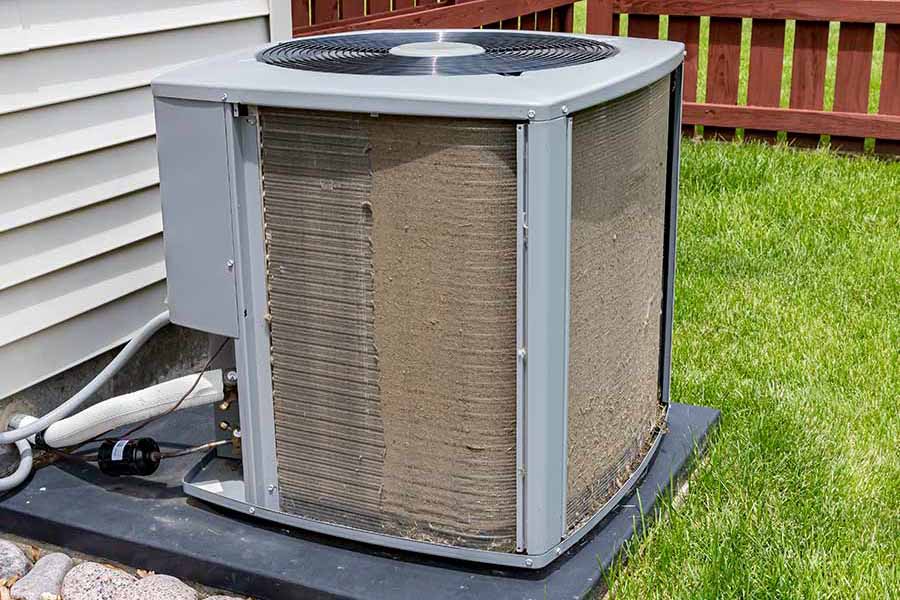
Keeping your AC coils clean is one of the most straightforward things you can do to protect your cooling system’s efficiency and lifespan. For most Cibolo homeowners, an annual cleaning is the baseline. But depending on your home’s specific conditions, more frequent attention may be warranted. Here is what you need to know about why coil cleaning matters, how often to schedule it, and when it is time to call a professional.
Why Cleaning AC Coils Is Essential for Your System
Coil cleaning is one of those maintenance tasks that tends to get overlooked until something goes wrong. But in a climate like Cibolo’s, where the cooling season stretches from early spring well into fall, the coils in your AC system are working hard for months at a time. Dirty coils reduce the system’s ability to transfer heat efficiently, which forces the unit to run longer cycles, consume more energy, and endure more mechanical wear.
The practical consequences are straightforward: higher utility bills, reduced indoor comfort, and a shorter overall lifespan for the equipment. Based on what we see in Cibolo properties, pollen, dust, and airborne debris from the surrounding landscape contribute to faster coil fouling here than in more urban environments. Homes near the Cibolo Creek corridor or along FM 1103 are particularly prone to outdoor coil contamination during dry, windy stretches of weather.
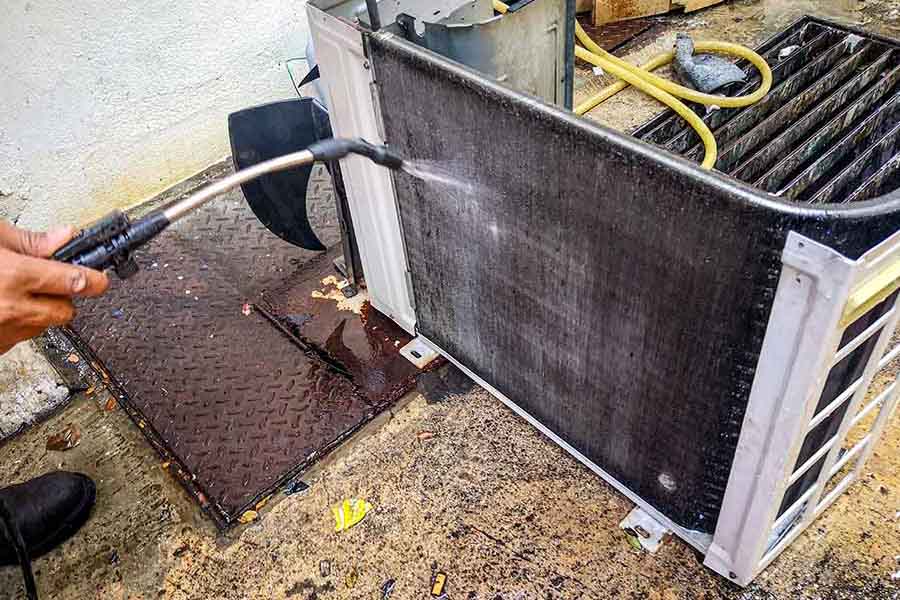
Our AC coil cleaning service addresses both the evaporator and condenser coils thoroughly, restoring heat transfer capacity and taking unnecessary strain off the entire system. When coil cleanliness is prioritized, the system runs closer to its designed efficiency and the risk of premature breakdowns drops significantly.
How Often Should You Clean Your AC Coils?
For most Cibolo homeowners, a once-a-year cleaning scheduled before the peak cooling season is the right cadence. Getting this done in spring, before temperatures push into the nineties, ensures your system is operating at full capacity when you need it most.
However, certain household conditions call for more frequent attention. Homes with pets that shed heavily, properties near construction or unpaved roads, and households where residents have respiratory sensitivities may benefit from cleaning every six months rather than annually. In these situations, coil buildup happens faster, and the effects on airflow and efficiency accumulate more quickly.
Regular AC maintenance that includes coil inspection helps keep airflow optimized and reduces mechanical stress on the blower motor. Pairing coil cleaning with a broader maintenance visit is an efficient way to address multiple system needs in a single appointment.
Signs Your AC Coils Need Cleaning Now
Performance changes are often the first indication that the coils are overdue for cleaning. If your system is running but not cooling as effectively as it used to, reduced airflow or warm air from the vents is worth investigating before assuming a more serious mechanical problem is at play.
Other signs that dirty coils may be the issue include:
- Ice formation on the coils or refrigerant lines, which indicates restricted airflow and poor heat transfer
- A noticeable increase in your energy bills without a change in usage or outdoor temperatures
- Unusual odors from the vents, particularly musty or stale smells that can signal mold or mildew growth on the evaporator coil
- Hissing or bubbling sounds, which in some cases are connected to refrigerant issues exacerbated by dirty coils
- Frequent short cycling, where the system turns on and off repeatedly without completing a full cooling cycle
In our service calls throughout Cibolo, we regularly find that what appears to be a mechanical problem is actually a maintenance issue with a straightforward solution. Catching these signs early and scheduling a professional inspection is consistently the most cost-effective path forward. Our AC repair team can assess the system and determine whether cleaning alone resolves the issue or whether additional service is needed.
DIY vs. Professional AC Coil Cleaning: What You Need to Know
The idea of cleaning your own AC coils is appealing from a cost perspective, but it comes with real risks that are worth understanding before making that call. The evaporator coil, located inside your air handler, sits in close proximity to electrical components, refrigerant lines, and a condensate drain system. Cleaning it improperly, using the wrong solutions, or applying too much water pressure can damage delicate fins, displace components, or introduce moisture where it does not belong.
Working in homes across Cibolo, we have seen DIY cleaning attempts that required more extensive service than a professional cleaning would have cost in the first place. The condenser coil in the outdoor unit is more accessible, but even there, incorrect technique can bend the aluminum fins or push debris further into the coil rather than removing it.
Professional coil cleaning uses the right equipment and formulations for each coil type, ensures thorough coverage without causing damage, and includes a visual inspection of surrounding components. A technician can also identify developing issues, such as early signs of refrigerant leaks or drainage problems, that might not be visible to a homeowner. Understanding the range of emergency HVAC repairs that can result from deferred maintenance reinforces why professional intervention is the more reliable choice. The upfront investment in a professional cleaning consistently pays off in avoided repair costs and extended equipment life.
Tips for Maintaining Clean AC Coils Year-Round
Between professional cleanings, there are several things homeowners can do to reduce coil fouling and keep the system operating efficiently.
Checking and replacing air filters on a regular schedule is the most impactful habit. A clogged filter restricts airflow through the evaporator coil and accelerates dirt accumulation on its surface. Depending on the filter type and household conditions, replacement every one to three months is generally appropriate.
Keeping the area around the outdoor unit clear of vegetation, debris, and grass clippings helps the condenser coil breathe properly. A clearance of at least two feet around the unit allows adequate airflow and prevents organic material from getting drawn into the fins.
Monitoring indoor humidity is also worthwhile. Elevated humidity accelerates moisture accumulation on the evaporator coil, which creates favorable conditions for mold and mildew growth. Staying on top of humidity levels helps keep the coil surface cleaner between professional visits.
Finally, paying attention to changes in system performance, such as longer run times, reduced airflow, or unusual sounds, gives you early warning that something needs attention. Catching these signals early and reaching out to a professional before the situation worsens is always the more practical approach.
Keeping Your Cibolo Home Cool and Your System Running Strong
Consistent coil cleaning is one of the most cost-effective investments a homeowner can make in their HVAC system. Like any mechanical equipment, your AC performs best when it receives regular, professional attention rather than reactive service after something breaks down.
If it has been more than a year since your coils were professionally cleaned, or if you are noticing any of the performance signs described above, now is a good time to get ahead of it. Contact our team today to schedule your AC coil cleaning or maintenance visit and keep your system ready for whatever the Cibolo summer brings.